
Maximize Performance with BMW N54 Tuning: Ultimate Guide
BMW N54 Engine Tuning Guide — Unlock Reliable Power with Proven Upgrades and ECU Calibration
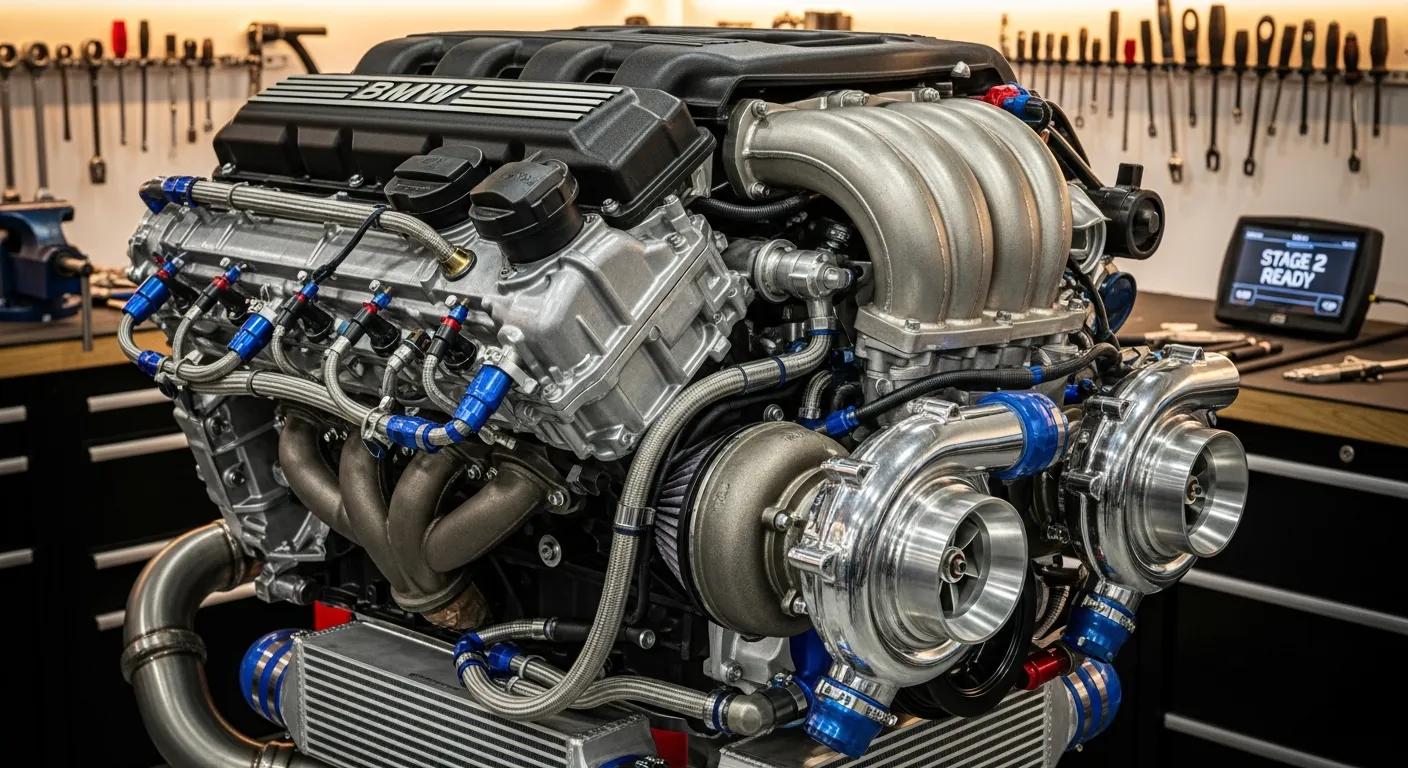
The N54 is an inline‑six twin‑turbo with genuine headroom — strong internals and eager turbos make it a favorite among tuners. This guide walks you through the safest, most predictable ways to tap that potential: which mods deliver the biggest on‑wheel gains, how popular tuning platforms (MHD vs. JB4) affect driveability, and what separates Stage 1, 2, and 3 builds. We cover the usual bottlenecks — fueling, cooling, and turbo efficiency — and outline practical hardware and software fixes to keep the motor reliable as power climbs. Expect clear priorities for bolt‑ons, realistic trade‑offs for ECU remaps, fuel and turbo upgrade paths, common failure modes and preventative steps, plus where to find verified parts and expert help. Keywords like N54 ECU remap, N54 hybrid turbo, downpipe gains, and N54 E85 tuning are woven into actionable advice so you can plan a staged, durable power build.
What Are the Best N54 Performance Upgrades to Maximize Power?
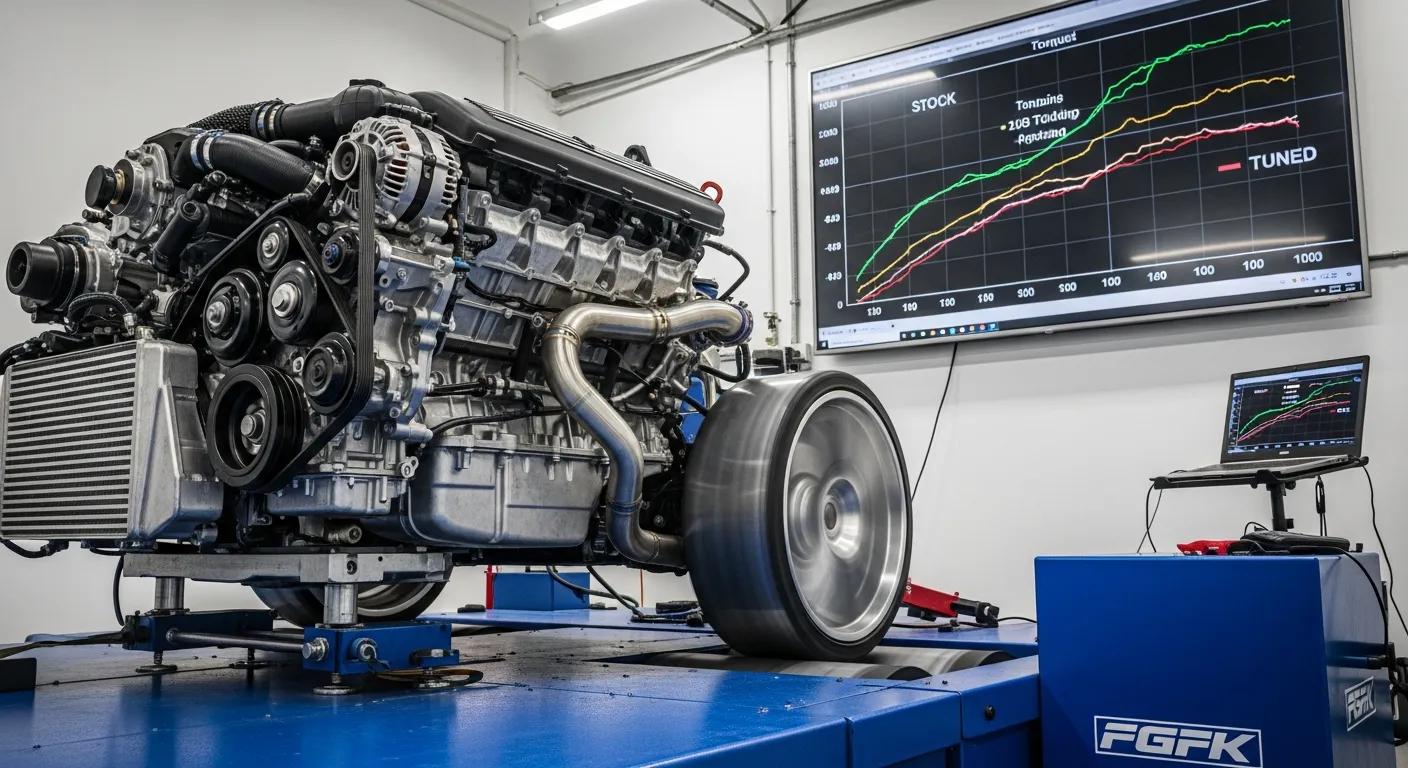
Start by addressing intake temperature, turbo efficiency, and any flow restrictions. Lowering charge‑air temp and cutting exhaust backpressure gives the most measurable horsepower and torque while keeping the car streetable. Target the turbo‑to‑intake path — downpipes, intercoolers, and charge pipes — since these directly influence spool, boost control, and knock margins. Fitment and material quality affect long‑term reliability, so favor verified aftermarket parts to avoid fitment headaches. Below are the high‑impact bolt‑ons we recommend and what each one delivers.
For a quick reference, here are the top bolt‑ons and a one‑line summary of their benefit.
- High‑flow Downpipe : Lowers exhaust backpressure so the turbos breathe easier — quicker spool and higher peak power.
- Front‑Mount Intercooler (FMIC) : Drops intake temps and resists heat soak for repeatable power runs.
- Upgraded Charge Pipe : Replaces fragile OEM plastic to eliminate boost leaks and sharpen throttle response.
- High‑flow Intake : Reduces inlet restriction and smooths airflow into the turbines.
- Cat‑back Exhaust / Mid‑pipe : Removes secondary restriction for modest power gains and a better exhaust note.
Together, these bolt‑ons form a stable base for tuning. Next we rank them by expected gains, materials, and trade‑offs so you can prioritize purchases.
Different bolt‑ons produce predictable mechanical and thermal improvements; the table below compares common options by type, key attribute, and typical on‑wheel gains to help you decide where to spend first.
| Upgrade | Key Attribute | Typical On-Wheel Gain |
|---|---|---|
| Downpipe (high-flow) | Catted or catless stainless; reduces backpressure | +8–25 hp depending on turbo and tune |
| Front-Mount Intercooler (FMIC) | Larger core, better heat rejection | +5–20 hp sustained under repeat runs |
| Charge Pipe (aluminum) | Eliminates boost leaks vs OEM plastic | +2–6 hp, improved spool/response |
| Intake (high-flow) | Less restriction into turbo inlet | +2–8 hp, improved throttle feel |
| Exhaust (cat-back) | Reduces mid/secondary restriction | +3–10 hp, sound and weight benefits |
Which Bolt‑On Modifications Deliver the Highest Gains for the N54 Engine?
Gains depend on which bottleneck you solve — airflow, heat, or fueling. A high‑flow downpipe (and freer mid‑pipe) often yields the largest single‑item dyno gains by cutting turbine backpressure and letting the turbo work more efficiently. An FMIC lowers charge temps, increasing air density and allowing safer timing and boost. Charge pipes and intake upgrades mainly improve transient response and reliability by removing leaks; with a tune they become crisp, usable power. When shopping, factor installation complexity and emissions: catless parts can affect compliance and may need specific tune strategies.
Pairing bolt‑ons with a proper ECU remap or piggyback controller multiplies gains and stabilizes fueling and timing under load. The next section explains how platforms like MHD and JB4 implement those changes and where they differ.
How Does BMW N54 ECU Tuning Enhance Engine Output and Reliability?

ECU tuning changes maps that control boost, ignition timing, fueling, and transient behavior — turning hardware upgrades into repeatable, streetable power. A correct tune raises safe boost, refines timing, and compensates for fuel and octane differences so you get measurable horsepower and torque without losing drivability. Experienced tuners add safety layers — overboost protection, knock thresholds, and conservative initial targets — which improve longevity when dialed in properly. Typical results: a Stage 1 remap often nets +20–60 hp at the wheels, depending on supporting parts; higher stages require upgraded fueling and turbos to stay reliable.
Below are the core benefits and typical gain ranges that make ECU remapping central to a sensible N54 build.
- Increased Peak Power : Calibrated boost and ignition to raise wheel horsepower.
- Improved Torque Curve : Flatter, more usable torque across the rev range.
- Fueling Optimization : Maps tuned for safe AFRs with E85 or larger injectors.
- Reliability Safeguards : Built‑in protections for overboost and detonation.
Tuning isn’t just about headline numbers — it’s about making hardware changes safe and consistent. Next we compare the major tuning platforms owners use.
What Are the Features and Benefits of MHD and JB4 Tuning Platforms?
MHD and JB4 take different approaches with clear trade‑offs. MHD flashes the factory ECU and offers map switching, datalogging, and broad E85/fuel support — ideal for serious Stage 2/3 builds and custom calibrations. JB4 is a piggyback controller that intercepts sensor signals to modify boost and timing without reflashing the ECU, so it’s quick to install and easy to revert for daily drivers. Both provide power scaling and logging, but MHD gives deeper map control while JB4 focuses on simplicity and on‑the‑fly selection.
Academic and real‑world tests show how both flash and piggyback approaches can optimize power under different constraints.
ECU Remapping & Piggyback Tuning for Engine Power Optimization
EFI systems link mechanical and electronic systems to manage combustion and performance. For many enthusiasts, software calibration is a faster, less invasive route to power than swapping turbos or cams. In some markets, reflashing the factory ECU is common, while piggyback units offer a lower‑cost, easier‑to‑install alternative. Both have advantages: remaps deliver deep control for major hardware changes, and piggybacks provide quick, reversible gains with simpler installation.
Remapping and simulation of EFI system for SI engine using piggyback ECU, HT Diep, 2023
Match the platform to your goals: pick MHD for custom flashes and large hardware changes; pick JB4 if you want quick, reversible power and easy installation. The section below helps you decide between custom flashing and plug‑and‑play options based on use case and upgrade level.
How to Choose Between Custom ECU Flashing and Plug‑and‑Play Tuners for the N54?
Your choice depends on vehicle use, modification level, and long‑term goals. Custom flashing is best when you change fueling, turbo size, or switch to E85 because it rewrites factory maps to manage new hardware holistically. Plug‑and‑play units like the JB4 suit daily drivers who want power without permanent ECU changes and prefer easy rollback. Budget, access to dyno tuning, and tuner support matter: custom flashes typically need a tuner and dyno validation; piggybacks often rely on community maps and faster installs.
Consider this quick checklist:
- Vehicle Use : Track cars usually benefit from custom flashing; street cars often do fine with plug‑and‑play.
- Mod Level : Large turbo swaps and E85 conversions typically require a custom flash.
- Budget & Support : Custom tuning costs more up front but delivers tailored safety; plug‑and‑play is cheaper and easier to install.
This checklist outlines the path from simple bolt‑ons to full‑stage conversions; next we break down what defines Stage 1, Stage 2, and Stage 3 packages.
What Are the Key N54 Engine Modifications for Each Tuning Stage?
Staged tuning groups parts and calibration to balance power, cost, and reliability. Stage 1 typically includes an intake, charge pipe, high‑flow downpipe and a conservative Stage 1 map — a safe power bump on the stock fueling system. Stage 2 adds an FMIC, upgraded intercooler piping, a larger downpipe/full exhaust and usually needs extra fueling or E85. Stage 3 moves to larger hybrid turbos or single‑turbo setups plus an upgraded HPFP, bigger injectors, and dedicated engine management for sustained high power. The table below summarizes stages, typical parts, and realistic on‑wheel gains so you can plan progressive upgrades.
| Stage | Typical Parts Included | Expected On-Wheel Gain / Notes |
|---|---|---|
| Stage 1 | Intake, charge pipe, high-flow downpipe, Stage 1 tune | +20–60 hp; daily‑friendly, stock fuel system OK |
| Stage 2 | FMIC, intercooler piping, high-flow downpipe, upgraded mid/exhaust, stronger fueling or E85 | +60–120 hp; may require HPFP/injectors or E85 |
| Stage 3 | Hybrid turbos or single turbo, full fuel system, custom ECU management | +150+ hp depending on turbo choice; requires extensive supporting mods |
What Parts Define Stage 1, Stage 2, and Stage 3 N54 Tuning Packages?
Stage definitions are practical: each stage solves the immediate bottleneck at that power level. Stage 1 optimizes airflow and exhaust (intake, charge pipe, downpipe) with a conservative remap to capture gains without changing fueling. Stage 2 addresses thermal and flow limits with an FMIC, better piping, and higher‑flow exhaust components — often paired with E85 or larger injectors. Stage 3 replaces turbos with hybrids or a single‑turbo kit and upgrades the HPFP, injectors, and engine management to support sustained high boost. Grouping parts this way helps owners spread costs while keeping the car reliable and drivable.
Mapping parts to power goals lets you stagger purchases and tuning so each step builds on a solid foundation.
How Do Turbocharger and Fuel System Upgrades Affect Tuning Stages?
Turbo sizing and fuel system capacity set realistic power targets and dictate tuning strategy. Bigger turbos raise peak horsepower but usually slow spool — hybrids are a middle ground, improving top end while keeping spool reasonable. Fueling is the hard limit: the stock HPFP and injectors cap safe power on gasoline, so E85 conversions, upgraded HPFPs, and larger injectors become necessary as power climbs. Good tuning respects compressor maps and fueling headroom so boost, timing, and AFRs stay in safe zones as you scale power.
Understanding these interactions tells you when to upgrade injectors or switch fuels and which turbo option balances driveability and peak power for your goals.
How Can You Address Common N54 Engine Problems During Tuning?
Fixing typical N54 weaknesses before or during tuning protects your investment and keeps the car on the road. Common trouble spots include the HPFP, intake manifold and valve‑cover leaks, and carbon buildup on direct‑injection intake valves. Watch for symptoms like fuel pressure drops, rough idle, or oil seepage so you can target the right repair. Preventative upgrades — performance HPFPs, intake gaskets, and oil catch cans — combined with regular inspections will reduce failures when running higher boost or E85 blends.
Below is a short list of common problems and recommended mitigation steps to address them during a build.
- HPFP Degradation : Fit a performance‑grade or upgraded HPFP when moving past Stage 2 to avoid fuel starvation under load.
- Carbon Buildup : Use walnut blasting or valve cleaning during intake service to restore flow and reduce knock risk.
- Oil Leaks/CCV Failures : Replace gaskets and consider a catch can to limit oil entering the intake and fouling the turbo/intercooler.
What Are Typical N54 Reliability Issues and Their Performance Solutions?
Most reliability issues trace to fuel delivery strain, carbon fouling from direct injection, and degraded seals/gaskets. HPFP failures show as fuel starvation under load; the fix is a higher‑flow pump or a quality performance replacement. Carbon on intake valves reduces airflow and raises knock risk — walnut blasting or intake removal restores proper flow. Oil leaks and CCV failures let oil into the intake tract; replacing seals and adding a catch can prevent contamination and keep combustion consistent.
Addressing these items before a major tune makes the engine behave predictably when you add boost and timing, lowering the chance of expensive secondary damage.
How Do Oil Catch Cans and HPFP Replacements Support Engine Longevity?
Oil catch cans and HPFP upgrades are practical preventative investments when increasing power on an N54. A catch can traps blow‑by oil and reduces valve and intake contamination, preserving airflow and consistent combustion. Upgrading the HPFP ensures the high‑pressure system can hold required rail pressure under heavier boost and E85, preventing lean events that cause knock or engine damage. These parts wear over time, so plan for regular inspection and service as part of your tuning regimen.
Together, these steps produce a cleaner, better‑fed engine that tolerates higher stress and simplifies long‑term ownership of a tuned N54.
What Are the Best N54 Turbo Upgrade Options for Maximum Performance?
For big power you’ll choose between hybrid turbos (upgrading the stock turbos) and single‑turbo conversions. Hybrids offer a balance — more peak power while keeping stock packaging and simpler plumbing, often enabling +150–350 hp over stock with the right supporting mods. Single‑turbo kits unlock the highest potential (+300–700+ hp depending on kit) but require significant fabrication, custom oil feeds/returns, and expert tuning. Choose based on target power, budget, complexity tolerance, and readiness to upgrade fueling and cooling.
| Turbo Option | Pros / Cons | Expected HP Range / Notes |
|---|---|---|
| Hybrid Turbo | Pros: retains stock location, moderate cost; Cons: limited peak compared to full single kit | +150–350 hp with supporting mods |
| Single Turbo Kit | Pros: highest peak power, simplified single‑exhaust plumbing; Cons: complex install, costlier | +300–700+ hp depending on kit |
| Rebuild/Ported Stock Turbos | Pros: lower cost; Cons: limited headroom | +50–100 hp practical range |
How Do Hybrid Turbos Compare to Single Turbo Kits for the N54?
Hybrids enlarge the compressor and turbine wheels of the stock twin turbos to increase flow and efficiency — a cost‑effective way to raise peak power while keeping factory plumbing. They typically add top‑end power with only modest spool delay and remain streetable. Single‑turbo kits replace both turbos with one larger unit and manifold, offering the highest peak power and more linear boost control but with greater packaging and installation complexity. Both routes need supporting upgrades (oil lines, downpipes, intercooling) and expert tuning for reliability.
Advances in turbocharger design continue to push gains while balancing emissions and efficiency trade‑offs in internal combustion engines.
Advanced Turbocharging for Enhanced ICE Performance
This doctoral work examines advanced turbocharging strategies that improve engine performance while reducing emissions. Modern turbo systems play a key role in managing air delivery, lowering NOx, and adapting to new combustion fuels. Design innovations — from optimized compressor geometries to advanced control strategies — influence both efficiency and power in high‑performance engines.
Experimental and Numerical Analysis of a Turbocharging System for High Performance Automotive Engines, 2025
The trade‑off is simple: hybrids for balanced power and easier installs; single turbos for maximum output and a pro‑level installation.
What Are the Installation Considerations and Expected Gains of Turbo Upgrades?
Turbo upgrades need planning for oil feed/return lines, upgraded cooling, exhaust routing, and a tuned calibration to ensure safe, durable operation. Break‑in and dyno tuning are essential to verify fueling, timing, and boost control and to set conservative safety margins for initial runs. On‑wheel gains depend on turbo choice and supporting mods, but with correct installation and calibration you’ll see predictable improvements in peak power and torque. Staged pulls and thorough datalogging confirm AFRs and temperatures stay within safe thresholds.
Careful installation and conservative initial tuning reduce the chance of early failures and ensure the upgrade hits its intended performance envelope.
Where Can Enthusiasts Find Expert Support and Quality Parts for N54 Tuning?
Sourcing verified parts and qualified support matters — installation quality, genuine components, and reliable shipping all affect the outcome of an N54 project. Revline Performance is a specialist parts retailer and resource for builders, stocking categories relevant to N54 upgrades: Air & Fuel Delivery, Engine components, Exhaust Systems, Suspension, Tuning & Electronics, Brakes, and Styling. They prioritize verified brands, fast shipping, technical support, authorized dealers, and an enthusiast perspective. When choosing vendors, prefer authorized dealers and known brands to protect compatibility and warranty coverage.
The checklist below highlights buyer‑focused traits to prioritize when selecting a parts supplier and installer.
- Verified Brands : Ensures expected performance and correct fitment.
- Fast Shipping : Keeps projects on schedule and reduces vehicle downtime.
- Expert Support & Authorized Dealers : Provides technical help and clearer warranty paths.
How Does Revline Performance Provide Verified Aftermarket Parts and Services?
Revline Performance operates as a focused retailer for aftermarket performance parts, offering categories that align with N54 builds: air and fuel delivery, engine internals, exhaust systems, and tuning electronics. The company highlights verified brands built for performance and pairs that selection with expert support and authorized dealer relationships to help owners source compatible parts for staged builds. While this guide stays educational, choosing a supplier with fast shipping and dealer networks reduces delays and compatibility headaches during multi‑stage projects. For owners who want parts and guidance, a retailer that balances selection with knowledgeable support simplifies planning and installation.
This positioning keeps business mentions practical and focused on real advantages rather than hard selling.
What Are the Benefits of Authorized Dealers and Fast Shipping for N54 Upgrades?
Working with authorized dealers and vendors that offer fast shipping improves project timelines and warranty handling — important when coordinating parts arrival, shop windows, and dyno time. Authorized dealers confirm authenticity, simplify returns and warranties, and often have practical product knowledge to match parts to your target stage. Fast shipping shortens lead times and reduces downtime when a build progresses through multiple stages requiring sequential parts. Verifying dealer authorization and shipping options before purchase helps plan installations and ensures parts arrive when needed.
These procurement practices remove friction from multi‑stage builds and increase the chance of a successful N54 project.
Frequently Asked Questions
What is the typical lifespan of a tuned BMW N54 engine?
Lifespan depends on build choices, parts quality, and maintenance. With correct tuning, quality components, and regular service, a well‑built N54 can exceed 100,000 miles. Aggressive tuning, poor maintenance, or ignored issues like carbon buildup and a failing HPFP can cause premature failures. Routine inspections and addressing weak points before they fail will extend engine life, even under higher performance demands.
How does E85 fuel impact N54 tuning and performance?
E85 (roughly 85% ethanol) lets you run more aggressive timing and higher boost thanks to its higher effective octane. That can translate to large power gains — often 20–30% over gasoline in tuned applications — but it requires fuel system upgrades (larger injectors and a capable HPFP) and proper tuning to avoid lean conditions. Plan fueling and cold‑start strategies if you switch to ethanol blends.
What are the signs that my N54 engine needs tuning or upgrades?
Watch for reduced performance (sluggish acceleration), poor throttle response, unusual noises, fuel pressure drops, rough idle, or check‑engine lights related to fueling or boost. These symptoms can indicate tired components or the need for calibration. Regularly monitoring boost, fuel pressure, and AFRs helps catch issues early and guides sensible upgrades.
Can I revert my N54 engine back to stock after tuning?
Yes. Plug‑and‑play solutions like JB4 are easy to remove and leave the factory ECU untouched. With a custom ECU flash you can revert to stock maps, but it requires reflashing the ECU — so always save your original files before making changes to simplify reversion.
What maintenance should I perform after tuning my N54 engine?
Post‑tune maintenance is critical: more frequent oil changes (use quality oil), routine checks for carbon buildup, inspection of the HPFP, and verification there are no boost leaks. If you run E85, monitor fuel‑system wear and adapt service intervals. Regular inspections and timely replacement of wear items keep a tuned engine reliable.
How do I choose the right tuner for my N54 engine?
Pick a tuner with proven N54 experience, solid customer feedback, and clear map documentation and support. Decide whether you want a custom flash or a piggyback solution — that choice affects who’s right for you. Community forums, local shops, and build logs are good resources to vet tuners and find examples that match your goals.
Conclusion
Unlocking an N54’s potential is a balance of sensible hardware, proper fueling, and quality tuning. Follow staged upgrades, address known weak points before adding power, and choose verified parts and experienced support to keep the car reliable. If you need parts or guidance, start with verified brands and a supplier that offers technical support and fast shipping. Plan your build, proceed conservatively, and enjoy a tuned N54 that feels powerful and dependable.